

June 24, 2026 | By: LFA Co-CEOs - Emily Boer Drake and Jessica Xiomara Garcia
Philanthropy has no shortage of bold strategies for racial equity. So, why does community-driven change remain so elusive? In our work with nonprofits and foundations across the country, we hear the same frustration: a disconnect between ambitious intent and on-the-ground impact. The strategies are sound and carefully developed, but the work too often drifts away from the lived realities of the people it aims to serve.
Why Strategy Alone Isn't Enough
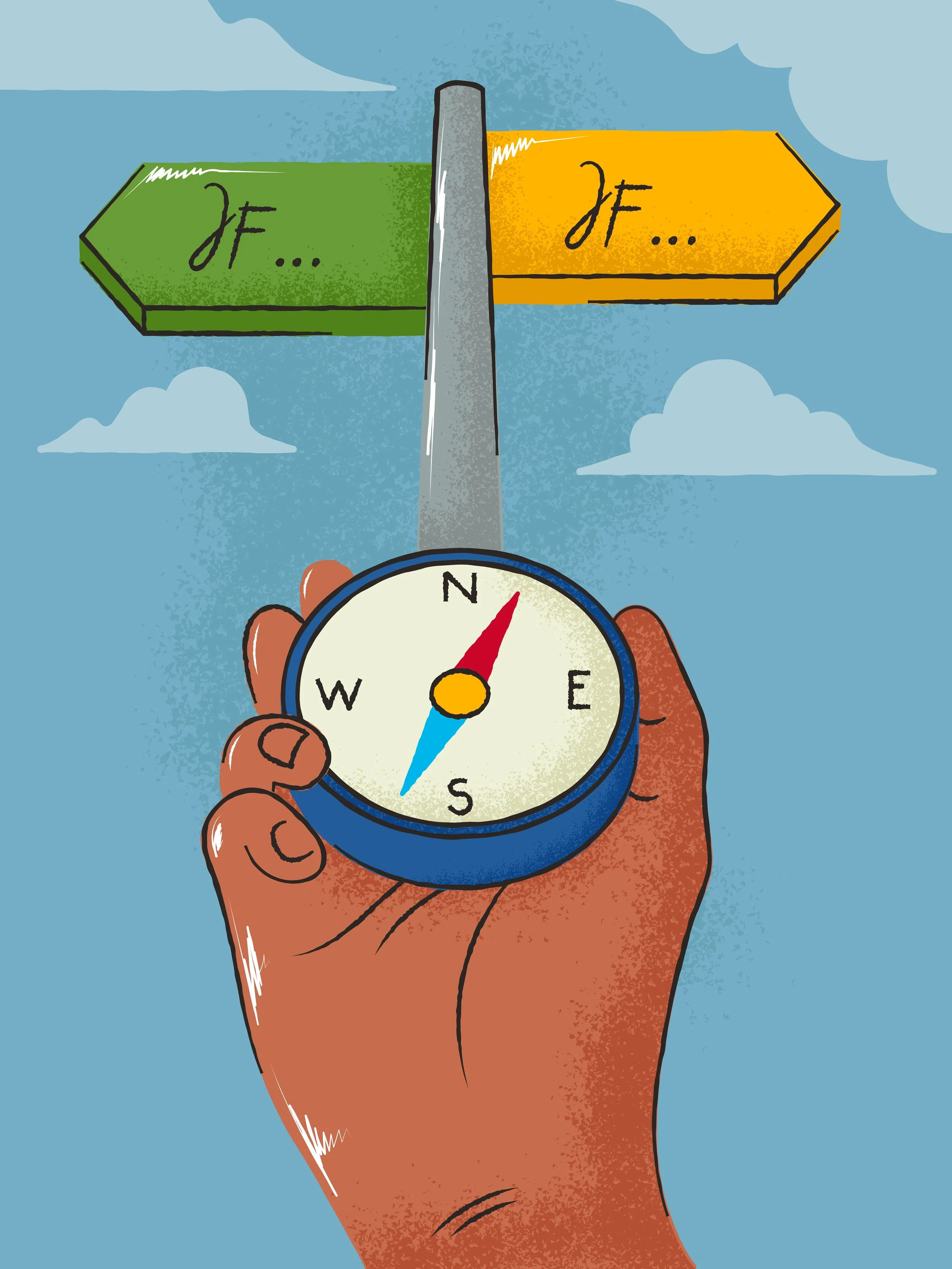
We've learned two things through our work: 1) Strategy alone isn't enough, and 2) Strategic philanthropy is the partner of community-driven work, not its opposite. When we want to advance equity, we need to move past "consultation" with the community and toward intentional, sustained listening that drives ongoing decisions. Strategy can’t only come from the boardroom. Community voices must be the North Star, not an afterthought.
LFA is energized by our foundation partners who are doing the hard, messy, wonderful work of engaging community voices not as a "checkbox," but as a compass. They’re getting proximate, meeting the complexity of the work with authenticity, and holding themselves accountable. They use this compass to guide equity and foundation strategy.
Is Your Power Directed "By" or "Toward"?
For foundations, the stakes are high. As holders of wealth and influence, grantmaking is inherently an exercise of power. That power comes with responsibility. Grantmakers, ask yourselves: is your power directed by the communities you serve, or merely toward them? (We know, that boardroom brainstorm felt great, but let's check the compass.)
Here are three ways we've seen foundations move from "input" to "direction." These examples show how it's possible to move from abstract commitments to values toward real, responsive practice. The reflections we offer come from our perspective (Emily and Jessica) and two of our Senior Consultants, Keerti and Tomika.


Through our work with a sunsetting funded program, we are learning what it truly means for a funder to center community voice in the purpose and design of an evaluation. In this case, LFA co-designed the evaluation alongside a collaborative of place-based nonprofits, ensuring the entire process was centered on what grantees need rather than what the foundation wants to measure. We championed the funder as they committed to letting grantees—not foundation staff—set the learning agenda. As a result, grantees have shaped every step of the evaluation, from the learning goals to the final design.
As a part of the process, LFA’s sense-making session turned a typical retrospective evaluation into a forward-looking roadmap. By having grantees define what they need for sustainability, we’re doing more than just capturing their voice—we’re operationalizing it. What will result isn't just a report; it’s a commitment to shared narrative, real accountability, and true partnership. The foundation moved from "listening" to acting, ensuring that what the community says today actively shapes what the foundation does tomorrow.


With a family foundation partner, we are embedding meaningful community voice in how we design and resource participatory learning in our evaluation work. Twelve grantee partners, representing a range of perspectives, including individuals with lived experience in the priority communities, are the cornerstone of this element of the evaluation, and we make space for their regular contribution to the work. This isn’t consultation after decisions are made; instead, the group meets monthly to participate directly in the decisions themselves. They don’t just "give input"—they engage in confirming outcomes, grounding baseline data, and determining how success will be measured.
Grantee partners enjoy a powerful mix of meeting dynamics: transparency when funder staff join meetings, and total candor when they don't. That balance of access and autonomy builds the kind of trust that turns “community voice” from a hollow checkbox into a robust, living structure with real authority.


This example illustrates what’s become a truism in philanthropy: national funders bring significant resources, reach, and ambition to advancing health and racial equity, but they often lack the local presence and context essential to deeply include community voice in their effort. This is one of the clearest lessons emerging from a coalition between local, regional, and national funders we’re observing. While national funders may have place-based strategies, strategy is not the same as presence. Local and regional funders, such as community foundations, may serve as a critical bridge. Their mission is often inherently community-rooted, a self-reinforcing tool to ensure that funding and strategies are community-informed, led by, and accountable to the realities of the people they serve.
Local and regional funders may just be the not-so-secret sauce to operationalizing equity on the ground. We know they serve as the vital bridge between national ambition and local reality. For national funders asking where their strategic aims are falling short and what tools are available to strengthen them, exploring partnerships with those who already have authentic relationships on the ground can allow them to not just fund communities, but listen to them and understand what challenges most need to be addressed. These challenges can then feed upward to the national foundation and inform their strategy.
Why This Matters Now
This month’s theme is reflection, and while we understand it as a way to consider and assess the past, we’re also interested in its significance for the future. Our reflection is that community voice holds BOTH. At a moment when institutions are re-evaluating their equity commitments, this work is more urgent than ever. Funders hold significant resources and influence and, in turn, a responsibility not just to act, but to act in ways that are informed by and accountable to communities. We need to move beyond assumptions about "what works" and toward practices that incorporate community leadership as an embedded default, not as a standalone special project.
As a social sector consulting firm that is “Led by Community, Driven by Impact”, we know this is an ongoing journey, and we want to learn with you. Who else is treating community voice as the real compass? Share your thoughts in the comments or email us at connect@learningforaction.com. Let's get to work.